Dental implants are one of the most reliable ways to replace missing teeth, but some patients need an additional procedure before implant placement: a sinus lift. Hearing that you need extra treatment may sound discouraging, but take heart! A sinus lift is a common procedure that helps create a strong, stable foundation for successful implants.
Here’s more on why your dentist may recommend one.
What is a Sinus Lift?
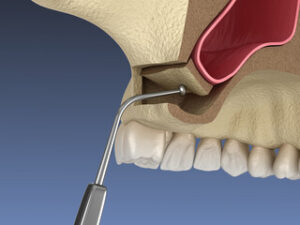
A sinus lift, also known as sinus augmentation, is a bone grafting procedure performed in the upper back jaw. During the procedure, the sinus membrane is gently lifted upward, and bone grafting material is placed beneath it. Over the next several months, the graft fuses with your natural bone, increasing the amount of bone available to support a dental implant.
The procedure is most commonly recommended for patients who are replacing missing upper premolars or molars.
Why Isn’t There Enough Bone?
There are several reasons why the upper jaw may lack sufficient bone for dental implants. One of the most common is bone loss following tooth loss. When a tooth is missing for an extended period, the jawbone no longer receives stimulation from chewing and begins to shrink.
Another factor is the location of the maxillary sinuses. In some people, these air-filled spaces naturally sit very close to the upper jaw, leaving only a thin layer of bone between the sinus and the mouth. As bone loss occurs over time, there may not be enough height to securely anchor a dental implant.
Why is a Sinus Lift Important?
Dental implants depend on healthy bone for long-term stability. If there isn’t enough bone to support the implant, it may not integrate properly with the jaw, increasing the risk of implant failure.
A sinus lift creates the additional bone needed to hold the implant securely. By strengthening the implant site, the procedure improves the chances of successful healing and helps ensure your restoration remains stable for many years.
Although it adds an extra step to the treatment process, it significantly increases the likelihood of long-term success.
What is Recovery Like?
Most patients recover from a sinus lift with only mild discomfort, swelling, or minor bleeding that resolves within a few days. Your dentist will provide instructions for protecting the surgical site, including avoiding forceful nose blowing, sneezing with your mouth closed, or other activities that increase pressure in the sinuses.
The bone graft typically requires several months to heal before the dental implant can be placed, allowing the new bone to become strong enough to support the implant.
Needing a sinus lift doesn’t mean you’re not a good candidate for dental implants. In fact, it’s often the key to making implant treatment possible. By increasing the amount of healthy bone in your upper jaw, a sinus lift provides the stable foundation your implant needs for long-lasting function and a confident, complete smile.
About the Author
Dr. Aysenur Genc brings more than a decade of experience to Towson Implant & Surgery House along with a strong background in dental implants and oral surgery. She graduated with high honors from the prestigious Boston University Henry M. Goldman School of Dental Medicine and has accrued over 2,000 hours of advanced education in residency. She is particularly trained in managing complex cases including bone augmentation and sinus lifting procedures for patients with bone deficiencies. If you’re interested in dental implants but first need a sinus lift procedure, Dr. Genc’s expertise in this area is especially suited to fit your needs. If you’d like an appointment, feel free to call our Towson office at (410) 520-1440 or schedule through our website.