Dental Implants Towson Services: Comprehensive Care for Complex Oral Surgery Needs
- May 26
- 4 min read
Dental implant procedures have become a cornerstone of modern oral rehabilitation. For individuals requiring tooth replacement or complex oral surgeries, selecting a provider with advanced expertise and a patient-centered approach is essential. This article explores the scope of dental implant services available in Towson, MD, emphasizing the technical aspects, treatment options, and patient care standards that define excellence in this field.
Overview of Dental Implant Services in Towson
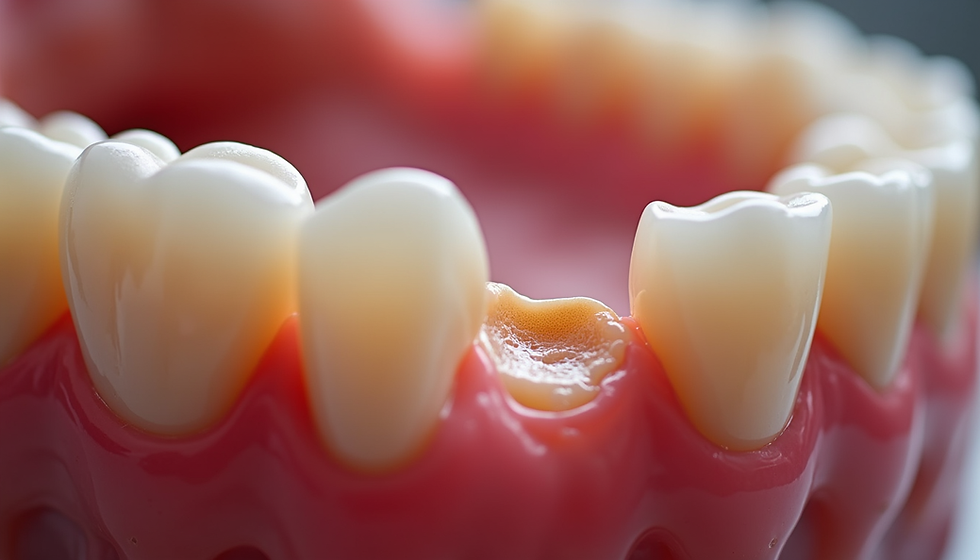
Dental implants serve as a durable and functional solution for tooth loss. The process involves surgically placing a titanium post into the jawbone, which acts as an artificial tooth root. This post supports crowns, bridges, or dentures, restoring both aesthetics and function.
In Towson, dental implant services encompass a range of procedures tailored to individual needs, including:
Single tooth replacement
Multiple teeth restoration
Full arch reconstruction
Bone grafting and sinus lifts for patients with insufficient bone volume
Immediate implant placement following extractions
These services are delivered by specialists trained in oral surgery and implantology, ensuring that complex cases receive appropriate evaluation and treatment planning.
Detailed Explanation of the Implant Procedure
The dental implant process is methodical and requires precise execution to ensure long-term success. It typically involves several stages:
Initial Consultation and Assessment
Comprehensive evaluation includes clinical examination, dental imaging (such as CBCT scans), and medical history review. This step identifies bone quality, anatomical structures, and any contraindications.
Treatment Planning
Customized plans are developed using digital tools to determine implant size, position, and the type of prosthetic restoration. Collaboration between oral surgeons and restorative dentists is common.
Surgical Placement
Under local anesthesia or sedation, the implant is inserted into the jawbone. In cases of bone deficiency, grafting procedures may precede or coincide with implant placement.
Osseointegration Period
Over several months, the implant integrates with the bone, providing a stable foundation. Temporary restorations may be used during this phase.
Abutment and Prosthetic Attachment
Once integration is confirmed, an abutment is attached to the implant, followed by the placement of the final crown, bridge, or denture.
Follow-up and Maintenance
Regular check-ups and hygiene protocols are essential to monitor implant health and prevent peri-implant diseases.
This structured approach minimizes complications and maximizes functional and aesthetic outcomes.
Advanced Techniques and Technologies in Towson Implantology
Towson dental implant providers utilize state-of-the-art technologies to enhance precision and patient comfort. These include:
3D Cone Beam Computed Tomography (CBCT)
Enables detailed visualization of bone anatomy and critical structures, facilitating accurate implant placement.
Computer-Guided Implant Surgery
Digital planning software creates surgical guides that direct implant insertion with high accuracy, reducing surgical time and trauma.
Immediate Load Implants
In select cases, implants can support temporary restorations immediately after placement, reducing treatment duration.
Minimally Invasive Techniques
Techniques such as flapless surgery reduce postoperative discomfort and accelerate healing.
Bone Regeneration Procedures
Use of autografts, xenografts, or synthetic materials to rebuild deficient bone areas, expanding candidacy for implants.
These advancements contribute to improved success rates and patient satisfaction.
Patient Considerations and Eligibility
Not all patients are immediate candidates for dental implants. Factors influencing eligibility include:
Bone Density and Volume
Adequate bone is necessary to support implants. Bone grafting may be required for patients with resorption.
Overall Health Status
Conditions such as uncontrolled diabetes, immunosuppression, or smoking can affect healing and implant success.
Oral Hygiene and Commitment
Patients must maintain rigorous oral hygiene and attend regular follow-ups to ensure implant longevity.
Age and Growth Considerations
Implants are generally recommended for adults with fully developed jaws.
A thorough preoperative assessment ensures that risks are minimized and treatment outcomes optimized.
Accessing Dental Implant Services in Towson, MD
For those seeking specialized care, dental implants towson md offers comprehensive services tailored to complex cases. The practice emphasizes:
Expertise in Complex Oral Surgery
Handling cases involving multiple implants, bone grafting, and reconstructive procedures.
Patient Comfort and Support
Use of sedation options and personalized care plans to reduce anxiety and discomfort.
Advanced Diagnostic and Surgical Facilities
Equipped with the latest technology to support precise treatment delivery.
Collaborative Care Model
Coordination between surgeons, restorative dentists, and hygienists to ensure seamless treatment progression.
Patients are encouraged to schedule consultations to discuss individual needs and receive detailed treatment plans.
Long-Term Care and Maintenance of Dental Implants
Successful dental implant therapy extends beyond surgery. Long-term maintenance includes:
Regular Dental Visits
Professional cleanings and examinations to detect early signs of complications.
Daily Oral Hygiene Practices
Brushing, flossing, and use of interdental brushes to prevent plaque accumulation around implants.
Lifestyle Modifications
Avoidance of tobacco and excessive alcohol consumption to promote oral health.
Monitoring for Peri-Implant Diseases
Early intervention in cases of inflammation or bone loss around implants.
Adherence to these protocols significantly enhances implant survival rates and patient satisfaction.
Dental implant services in Towson, MD, provide a comprehensive solution for individuals requiring tooth replacement and complex oral surgeries. Through advanced techniques, meticulous planning, and a focus on patient-centered care, these services address a wide range of clinical scenarios. By selecting a provider with expertise in complex cases and access to cutting-edge technology, patients can achieve durable, functional, and aesthetically pleasing outcomes that restore oral health and quality of life.


Comments